

How I Think About Turning Around a Business
Where is dignity most visible here? Where does the culture show up without anyone saying a word?
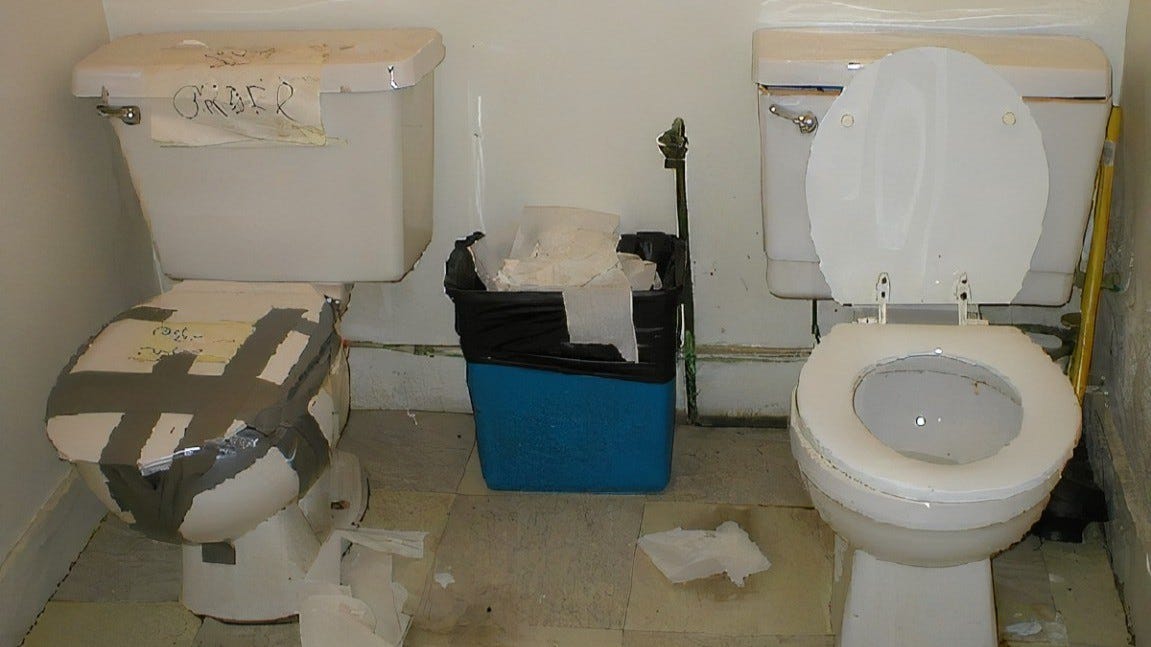
Most people on Substack know me as the Baseball Buddha, that is my side project that I love. My day-to-day work is running the US Operations of a company that is based in the Netherlands. I have worked in the medical space for the past 15 years, I enjoy what I do, I shared the below post on LinkedIn a few weeks ago, I haven’t been a fan of that platform since it has turned into the Facebook for business. I thought I would add this to my ranting Substack.
I’ve helped turn around a few businesses over the years. They weren’t falling apart, but they’d lost momentum. The foundation was still good, steady revenue, loyal customers, but something had slipped. Discipline was soft. Pride had faded. People were going through the motions.
When people ask how I approach situations like that, I often describe it through a gas station analogy. It’s the clearest way I’ve found to explain how I see operations, culture, and leadership, especially when a business isn’t broken, just neglected.
Picture a gas station on a busy corner. Good traffic. Decent sales. But you pull in and something’s off. The lot isn’t a disaster, but it’s messy. A couple pumps are out. Trash bins are full. The windows are cluttered with old signs, you can’t see into the store. And then there’s the bathroom.
That’s where it all starts.
At a gas station, the condition of the bathroom is absolutely critical. If it’s clean—really clean, not just “better than expected”, that changes everything. Customers talk about it. They come back because they trust the experience. A clean bathroom sends a message that someone is paying attention, that details matter, and that respect for the customer isn’t an afterthought.
If it’s dirty? That sends a different message: we don’t care. And once a business gives off that feeling, it’s hard to earn trust.
That’s why, in the gas station example, cleaning the bathroom isn’t just a maintenance task. It’s the first leadership move. It sets the tone for everything else.
Now—does that mean I walk into a manufacturing plant and head straight to the bathroom? No. Not always. But I do look for the equivalent. I ask: Where is dignity most visible here? Where does the culture show up without anyone saying a word?
In a manufacturing setting, that might be the break room. It might be how tools are stored or how the floor is maintained. In wholesale distribution, it might be how customer service handles issues, or how clear and reliable the website is. The point is the same: you look for what’s been tolerated. You start where standards are lowest, and you raise them—without drama, without speeches, just through consistent action.
After that, I focus on visibility. In the gas station, it means taking the old flyers and clutter off the windows. Let people see inside. In business, that might mean updating the website, removing outdated signage or digital debris, or just getting real about what the numbers say. Transparency builds trust. You can’t fix what you’re not willing to look at clearly.
Then I walk the lot and take inventory. I don’t mean spreadsheets. I mean physically walking the operation. Observing. Listening. Looking at how things move—or don’t. In manufacturing, that’s the floor layout. In distribution, it’s fulfillment flow and system logic. You learn a lot by watching how people work around the broken stuff. That tells you what needs attention now, and what’s been ignored for too long.
From there, it’s about restoring flow. Not just for materials or product, but for people and information. You reduce friction, tighten up handoffs, and create a working rhythm. That kind of operational flow doesn’t require big spending—it requires focus and clarity.
While this work is happening, I watch the team. You see pretty quickly who’s ready to lean in and who isn’t. Some people step up. Others resist. I don’t get reactive. I just keep holding the new standard. The right people stay. The wrong ones usually move on.
Then we start fixing what’s broken—one thing at a time. No flashy rebrand. No big promises. Just steady improvement in areas that affect real people and real customers. Maybe it’s order processing, maybe it’s scheduling, maybe it’s just communicating better. You prioritize based on impact, not noise.
And through all of this, I make sure the customers you already have are being served well. That matters more than anything. In distribution, that’s about shipments going out on time and being accurate. In manufacturing, it’s hitting lead times, staying responsive, and keeping your word. If you're not taking care of the people who already trust you, no amount of new business will make a difference.
I’ve been thinking about this more lately, especially with how noisy LinkedIn has become. I’ve found myself grumbling about how hard it is to find meaningful conversation on here. So instead of keeping that to myself, I figured I’d share this and see what others think.
If you’ve turned a business around—or been part of one—how did you approach it? Where did you start? What made the biggest difference?
For me, it’s always the same: start with what reflects pride, discipline, and respect. In a gas station, that’s the bathroom. In business, it’s the parts we often overlook.
Let me know how you see it.
.. we can & should ‘connect.. been doin the same ‘thing but via a camera .. on assignment
Whether Fairmont Hotels & Resorts or CIL Explosives.. I’me huntin what yer huntin..
Imperial Oil of Canada let me into their Archives & so did Air Canada.. eh ‼️ 🏴☠️🦎🍁